The Caloocan City government has deployed 100 bicycles to the PSTMD (Public Safety and Traffic Management Department) and police personnel to reduce fuel consumption, improve mobility in traffic-heavy areas, and prepare for possible fuel shortages. For motorists, this means faster on-ground response from traffic authorities, more visible enforcement, and potentially smoother traffic flow—especially in congested streets where bikes can move quicker than patrol vehicles.
This may seem like a small change, but it comes with a potentially big impact. Not only does it address fuel efficiency, but it also improves mobility, and strengthens on-ground traffic enforcement—all things that directly affect your daily drive. If done right, this could set a model not just for Caloocan City, but for other urban areas across the country looking to modernize traffic management without increasing costs. And for motorists? It’s simple: better enforcement is coming closer—and faster—than ever.
A Practical Shift: Bikes Now
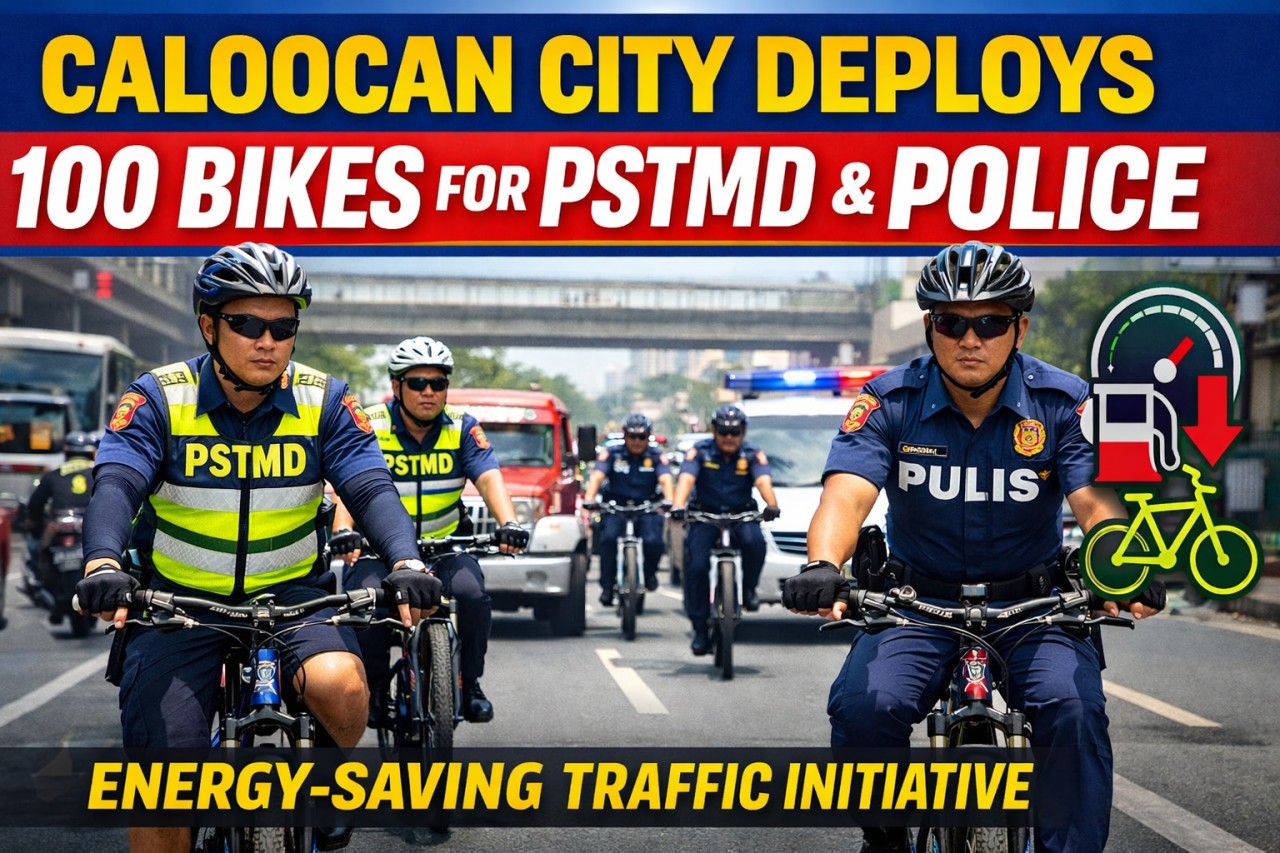
In a move that’s both practical and forward-thinking, the Caloocan City government has deployed 100 bicycles to personnel from the PSTMD and the Caloocan City Police Station. This initiative is part of a broader push to conserve energy under Executive Order No. 007-26, aligned with a national directive to reduce fuel and electricity use.
But this isn’t just about saving fuel. It’s about adapting to real problems drivers face every day: heavy traffic, slow response times, and limited enforcement visibility in tight streets. With bicycles, traffic authorities can move faster through gridlocked roads where patrol cars simply can’t pass. For motorists, this could mean quicker clearing of obstructions, faster accident response, and more consistent enforcement of traffic rules.
Impact on Drivers and Daily Commuters
For everyday motorists navigating Caloocan City, this shift to riding bikes can actually work in your favor—if implemented properly. Here’s what it brings:
- Faster traffic management in choke points: Bikes can weave through stalled vehicles, allowing PSTMD personnel to reach problem areas quicker.
- More visible enforcers: Expect increased presence of traffic authorities in inner roads and smaller streets.
- Stricter enforcement: With more mobility, violations like illegal parking or counterflowing may be flagged faster.
This approach is already seen in other urban areas globally—and even locally in cities like Mandaluyong, where traffic units are exploring more agile enforcement strategies.
The Bigger Picture: Energy, Economics, and Preparedness
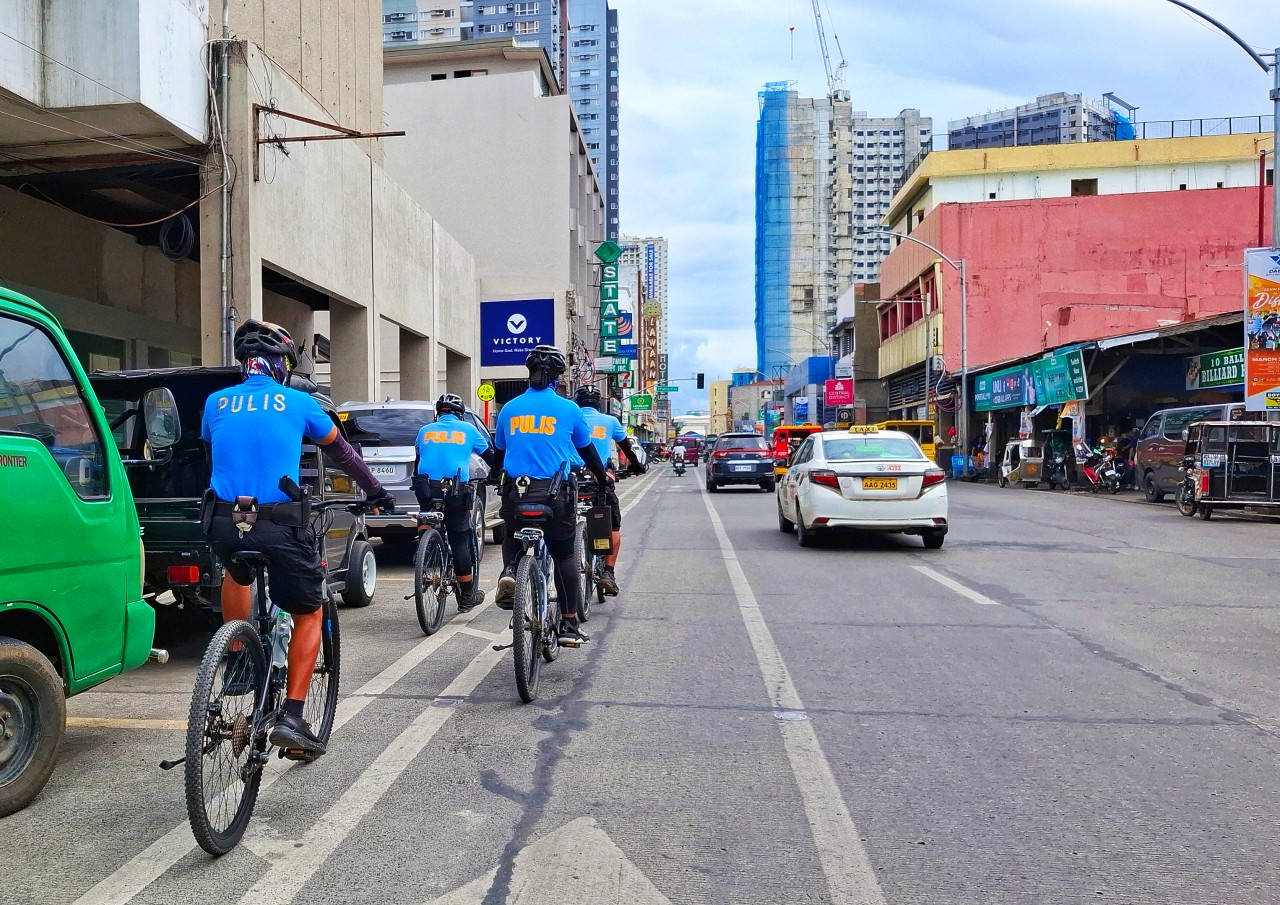
Mayor Dale Gonzalo “Along” Malapitan made it clear: this isn’t just a traffic solution—it’s a response to rising global uncertainties, particularly fuel price volatility. With ongoing geopolitical tensions affecting oil supply, local governments are being pushed to think ahead. By reducing reliance on fuel-powered vehicles, Caloocan City is building a buffer against sudden price hikes or shortages.
From a policy standpoint, this aligns with national energy conservation efforts. From a driver’s perspective, it signals something more important: traffic systems are evolving, and enforcement methods are becoming more adaptive.
Will It Actually Work?
Deploying bikes is a smart move, but execution will not be easy, though how it is carried out will determine its success.
Some of the challenges that this can bring include:
- Weather conditions (rain and heat can affect patrol efficiency)
- Coverage limitations (bikes are ideal for short distances, not large-scale patrols)
- Training and coordination (personnel must adapt to a different mode of response)
If these aren’t addressed, the initiative risks becoming symbolic rather than impactful.