The Metropolitan Manila Development Authority (MMDA) is a government agency in the Philippines responsible for managing and coordinating metro-wide services across Metro Manila, which includes 16 cities and 1 municipality. Created through Republic Act 7924, the MMDA plans, monitors, and regulates programs that affect the entire National Capital Region—especially traffic management, road safety, flood control, waste management, and public safety.
For most drivers, the MMDA is best known for managing traffic rules and the number coding system in Metro Manila. The agency sets traffic policies, enforces road regulations, manages traffic enforcers, and administers systems such as the single ticketing system and number coding rules to help reduce congestion on busy roads like EDSA.
MMDA in Action
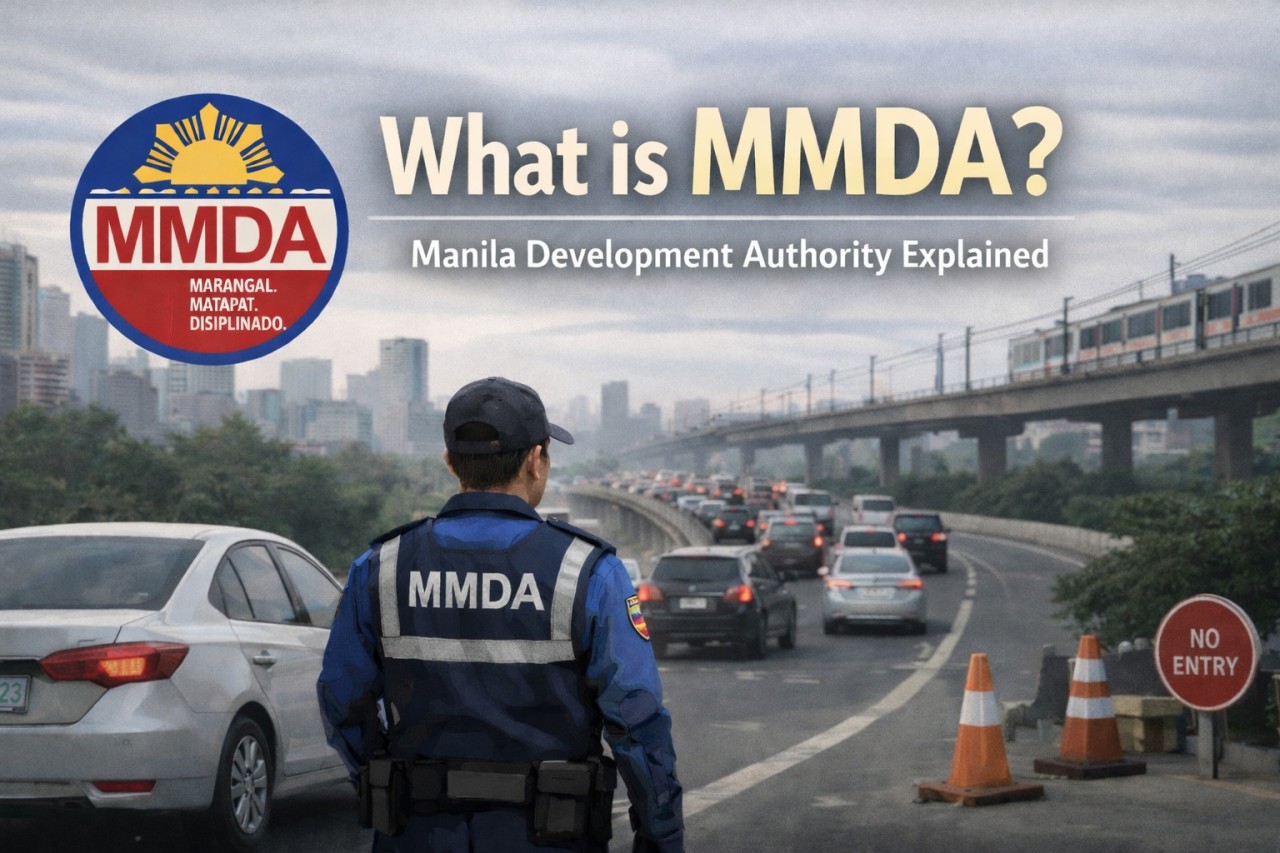
If you drive anywhere in Metro Manila, you have probably encountered MMDA traffic enforcers waving vehicles forward, clearing intersections, or issuing tickets. Some drivers feel nervous when they see them. Others feel frustrated when traffic is heavy.
The agency’s vision is “towards a humane, world-class metropolis.” In simple terms, the goal is to make Metro Manila a place that is:
- Livable
- Safe
- Organized
- Efficient for transport and business
The MMDA coordinates with local government units, national agencies, and private organizations to manage services that affect the entire region. Unlike a city hall that only manages one city, the MMDA coordinates services across the entire National Capital Region. Because traffic, flooding, and waste management do not stop at city borders, the MMDA, as a regional authority, is needed. The agency operates under the supervision of the Office of the President of the Philippines and carries out planning, monitoring, coordination, and enforcement for services that affect the entire metropolis.
What the MMDA Actually Does
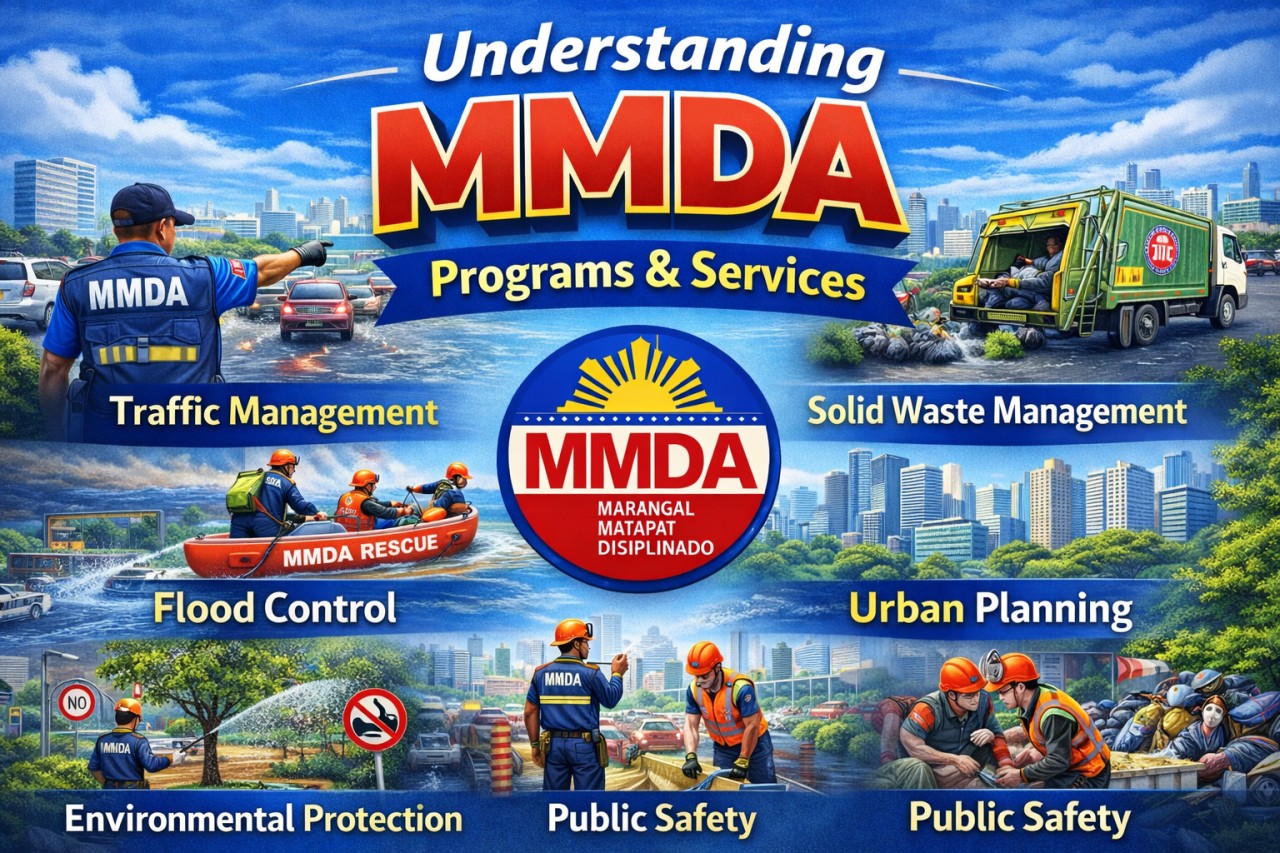
Many people think the MMDA only handles traffic. Traffic management is indeed one of its most visible tasks, but the agency performs several major functions across Metro Manila.
- Development Planning: The MMDA prepares medium-term and long-term development plans for the region. These plans guide infrastructure projects, urban development, and investment programs that affect Metro Manila.
- Transport and Traffic Management: This is the function drivers notice the most. It:
- Sets traffic policies for Metro Manila
- Manages traffic enforcement operations
- Runs traffic education programs
- Implements engineering solutions to improve traffic flow
- Regulates road users and transport operations
Note: This is also where the number coding scheme falls under as it was meant to limit vehicles on certain days based on license plate numbers to reduce congestion during peak hours.
- Solid Waste Disposal and Management: The agency coordinates programs for proper garbage disposal across the region. This includes sanitation policies, landfill operations, and programs that promote reducing, reusing, and recycling waste.
- Flood Control and Sewerage Management: Flooding is a common problem in Metro Manila, especially during typhoon season. The MMDA works on drainage systems, flood control programs, and sewerage projects to keep roads passable.
- Urban Planning and Land Use: The agency also helps guide land use policies and urban development programs, including housing and the rehabilitation of blighted areas.
- Health, Environment, and Pollution Control: Programs in this area focus on sanitation, environmental protection, and pollution reduction across Metro Manila.
- Public Safety: The MMDA coordinates rescue operations, disaster preparedness, and relief efforts during emergencies such as floods, fires, and earthquakes.
Why the MMDA is Well Known for Traffic Management
Because traffic congestion is one of the biggest problems in Metro Manila, the MMDA is most visible when it works to regulate road use through traffic policies such as the number coding scheme. They also deploy traffic enforcers to implement and monitor these rules across major roads in Metro Manila.
How to Contact the MMDA
For inquiries or concerns regarding its programs and services, you may reach to MMDA via the following: