In Metro Manila, several groups like persons with disabilities (PWDs), medical frontliners, and senior citizens are exempt from the number coding scheme (expanded UVVRP), depending on MMDA approval or city-specific rules. Some vehicle types are also coding exempt, such as ambulances and public utility vehicles (PUVs), among others. While the number coding scheme is designed to reduce non-essential road volume, it is not absolute at all times. Exemptions are granted when restricting a vehicle would create greater harm than traffic relief, like if it will block critical services, public mobility, economic supply chains, or protected sectors.
With the number coding exemptions in place, certain vehicles or persons are allowed to travel during coding hours even when their plate number is restricted. It is generally grounded in the government’s desire to regulate traffic while still respecting public welfare, equal protection, necessity, and practical urban transport needs. If you drive in Metro Manila, knowing if your vehicle is coding exempt can help you avoid trouble. Also, you can always verify updates from the Metro Manila Development Authority (MMDA), because coding policies can also change quickly.
Coding Exemptions
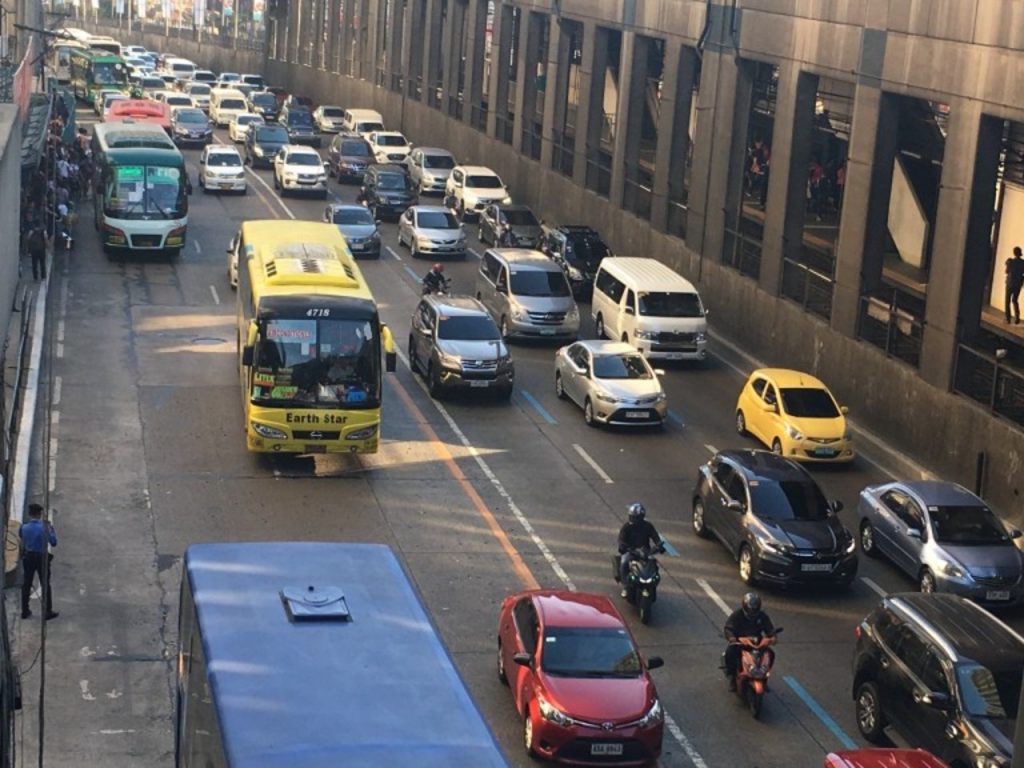
The Expanded Unified Vehicular Volume Reduction Program (Expanded UVVRP), also called number coding, is a traffic management policy used in Metro Manila to reduce congestion. It limits vehicles from passing through certain roads for a period of time on specific days, based on the last digit of the plate number. While most cities follow the standard MMDA coding rules, some cities, like Makati and Taguig, have their own rules and exemptions.
Coding Exempt Vehicles
The MMDA coding rules generally allow these vehicles to travel even during coding hours:
Public Utility Vehicles (PUVs)
These include:
- City buses
- Jeepneys
- UV Express
- Taxis
They are exempt because they serve commuters daily.
TNVS / Ride-Hailing Vehicles
Vehicles used for:
- Grab
- Similar app-based transport services
These help move passengers and reduce private car use.
Motorcycles
Motorcycles are usually exempt in many areas because they occupy less road space. However, always check local city rules.
Emergency Vehicles
These include:
- Ambulances and emergency services
- Fire trucks
- Police vehicles
- Military vehicles on duty
Emergency response must never be delayed.
Government and Diplomatic Vehicles
Vehicles with official markings or diplomatic plates are often exempt.
- Police / military vehicles on official duty
- Marked government vehicles
- Diplomatic vehicles
- Marked media vehicles
Electric Vehicles
Under the EVIDA Law, many electric and hybrid vehicles are exempt, including:
- Battery Electric Vehicles (BEVs)
- Hybrid Electric Vehicles (HEVs)
- Plug-in Hybrids (PHEVs)
This encourages cleaner transport.
Essential Cargo Vehicles
Recently approved exemptions include:
- Fuel trucks
- Cargo trucks carrying essential goods
- Perishable food delivery trucks
These help keep supplies moving.
Exemptions That May Need Approval
Some drivers are not automatically exempt but may qualify.
PWD Vehicles
Persons with Disabilities may receive exemptions if proper documents and permits are presented.
Senior Citizens
General automatic exemptions were reduced in past years, but some cities still offer local exemptions.
Doctors and Medical Professionals
Doctors responding to emergencies may be allowed, especially with valid IDs or PRC licenses.
School Buses and Company Shuttles
Vehicles transporting students or employees may qualify if properly registered.
Per City / Area Coding Exemptions in Metro Manila
Some cities have coding rules that don’t match the MMDA standard:
Makati City
Makati has its own stricter coding enforcement with no window hours. They also have a specific list of coding exempt vehicles and groups:
- Senior Citizens: Vehicles carrying Makati Senior Citizen Blu Card holders as drivers or passengers.
- Medical Emergencies: Vehicles used for urgent medical situations.
- Official Functions: Vehicles driven by individuals on official government, military, or emergency functions (police, fire, ambulance).
- Accredited Vehicles: Makati City-accredited tow trucks.
- Media/Diplomats: Marked media vehicles and vehicles with diplomatic plates.
Note: Even motorcycles have historically different treatment in Makati, so you need to be extra careful and to always verify before entering.
Taguig
Taguig City is a no coding city, except on C-5 road which follows the standard MMDA coding rules. The same applies regardless if it is inside or outside the Bonifacio Global City (BGC) area.
Note: Make sure to always verify if entering MMDA-managed roads around Taguig.
Pateros
Pateros does not implement a local number coding scheme. Vehicles are free to travel on local roads within Pateros, but they must observe coding rules when driving on major roads outside Pateros.
Navotas
As of writing, the City of Navotas is still a coding-free zone, which means that private vehicles are generally not restricted by their license plate numbers within the city limits.
Who Can Apply for Exemptions
While many exemptions are automatic based on vehicle type or passenger, specific exemptions for coding, particularly those that do not fit the above categories, may require application through the MMDA Traffic Discipline Office.
Those eligible to apply for special permits usually include:
- Vehicles used for essential, consistent, and urgent travel.
- Businesses with specialized transport needs (e.g., specific cargo).
- Drivers with severe mobility restrictions.
Procedures
If you are interested in applying for coding exemptions manually, then you will need to submit the application at the MMDA Traffic Discipline Office at the MMDA Main Office, EDSA corner Orense Street, Guadalupe Nuevo, Makati City.
Note: Makati usually does not honor the “two or more passengers” rule used in other parts of Metro Manila.