March 19, 2026 — If you woke up expecting the usual messy transport strike—long queues, no rides, and hours wasted on the road—you weren’t alone. With the ongoing oil price hike pushing drivers and operators to protest, commuters braced for impact. But unlike in the past, this time, the Metro Manila Development Authority (MMDA) stepped in early, coordinated everything behind the scenes, and kept Metro Manila moving like normal.
The MMDA prevented commuter disruption during the transport strike by deploying free rides, monitoring traffic in real time, and organizing a single dispatch system for all emergency vehicles—resulting in zero stranded passengers. As the metro’s leading road authority, the MMDA showed that smart coordination—not just enforcement—is what keeps both the public and the transport system functioning, even during crises.
Transport Strike Fueled by Oil Price Pressure
This transport strike wasn’t random—it was rooted in a deeper issue—it was a planned protest towards the authorities regarding the continuous oil price hikes.
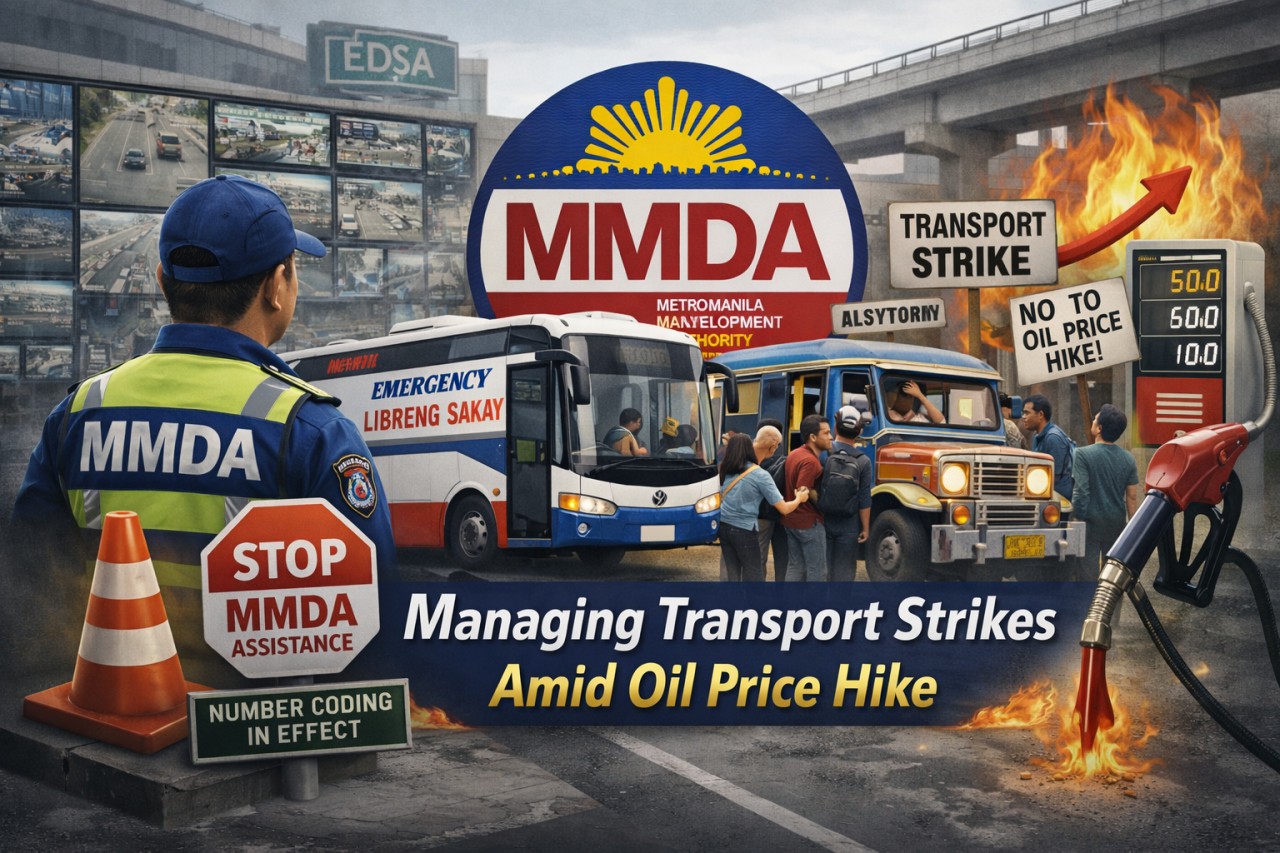
Transport groups like PISTON, along with labor organizations, launched a nationwide protest to show that it is them who are feeling the squeeze. Some reported earning as little as ₱200 to ₱300 a day, since most of their income goes straight to fuel. Their demands: to lower fuel taxes, to increase fare, and to offer better wage support.
And while the protest spread across Metro Manila—Cubao, Litex, Pasig, even parts of Cavite and Bulacan—the expected gridlock didn’t happen. Thanks to the MMDA.
MMDA’s Quiet Win: No Stranded Commuters
Compared with the usual strike situations where chaos is usually the headline, the MMDA delivered something rare: stability.
MMDA General Manager Nicolas Torre III confirmed that as early as 5 a.m., their Emergency Operations Center was already monitoring the situation. The result? Normal traffic flow and no stranded passengers.
“Hindi pa nga natin nadi-deploy ang ating emergency vehicles… wala naman tayong nakikita na may mga taong na-stranded,” he explained.
Libreng Sakay and Ground Support
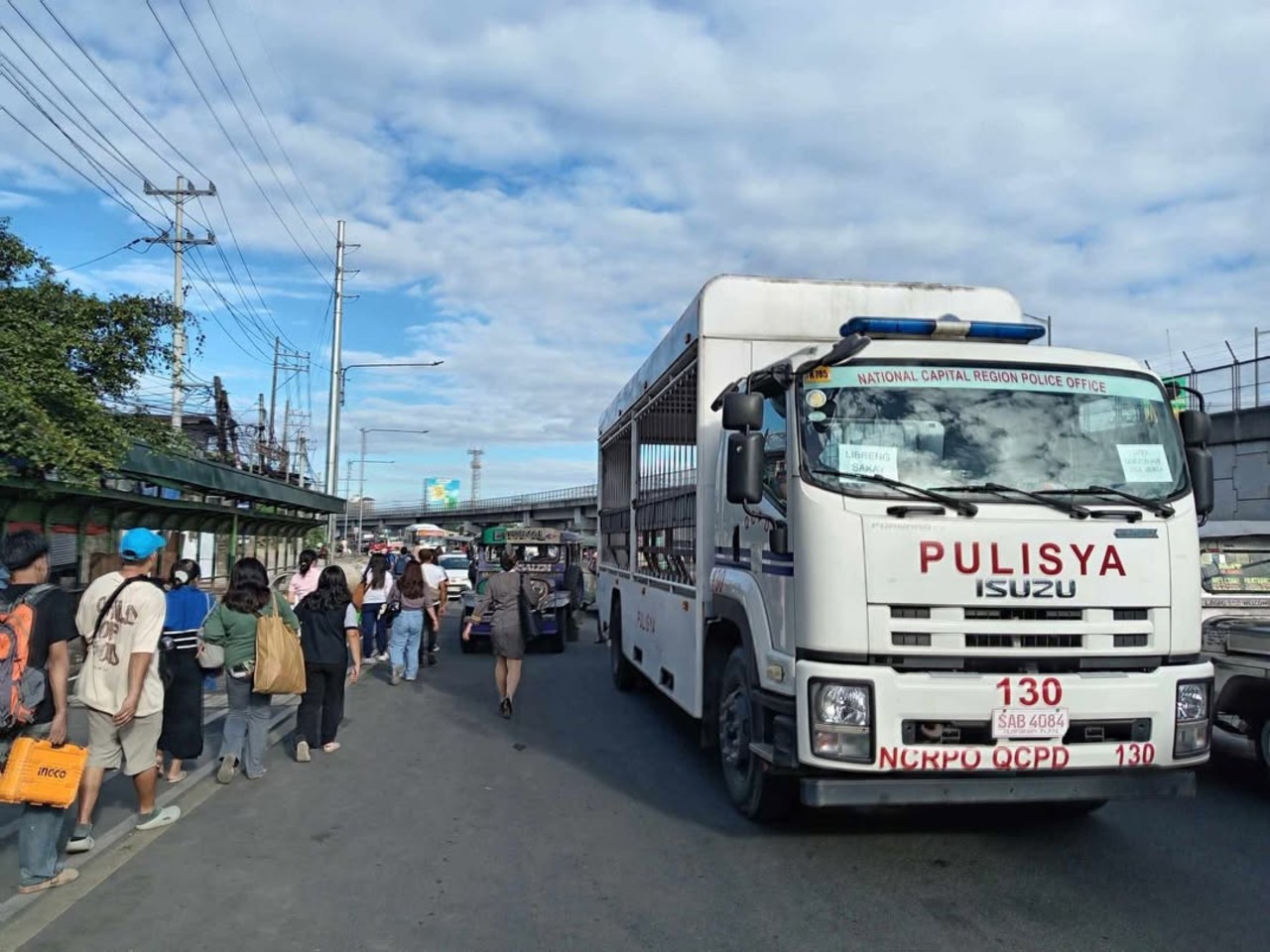
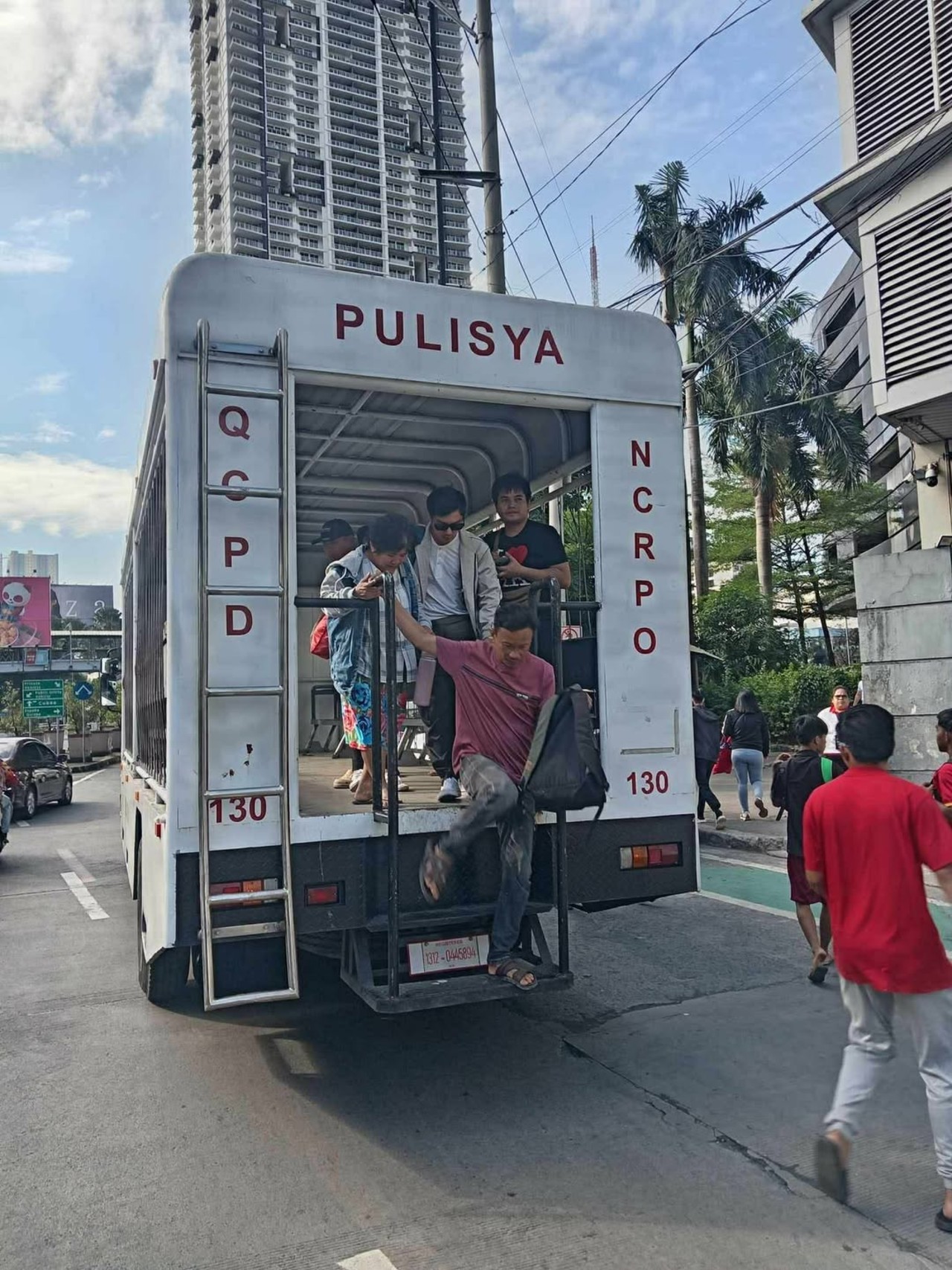
To support the public, the Department of Transportation (DOTr), along with the Office of the President (OP), Philippine Coast Guard (PCG), and the Philippine National Police (PNP) rolled out Libreng Sakay routes across key areas:
- Quiapo to Welcome Rotonda
- Welcome Rotonda to Cubao
- Nagtahan to Cubao
- Taft-UN Avenue to PITX
- Lawton to PITX
Operating from 7 a.m. to 8 p.m., these routes ensured commuters still had options despite reduced jeepney operations.
On the ground, local government units (LGUs) stepped up too. The Quezon City Police District (QCPD) deployed vehicles along EDSA East Avenue to Litex via Commonwealth Avenue, targeting one of the busiest commuter corridors. They also had free rides in the following routes:
- Quezon City Hall to Cubao
- Quezon City Hall to Litex
- Welcome Rotonda to Aurora-Katipunan
- Quezon City Hall to General Luis
- Quezon City Hall to Mindanao Ave. via Visayas Ave.
- Quezon City Hall to Gilmore Ave.
- Quezon City Hall to Ortigas
- Quezon City Hall to Muñoz
The Malabon city government had stationed vehicles and also rolled out free rides to assist commuters while the Manila LGU had arranged for private vehicles to be on standby in key areas across the city to ferry stranded passengers.
Meanwhile, Negros Oriental LGU is also offering farmers free transportation to the city proper for their farm products.
This layered response meant one thing: even if one system slowed down, another filled the gap.
One Dispatch System: The Real Game-Changer
Here’s what most people don’t see—but matters the most.
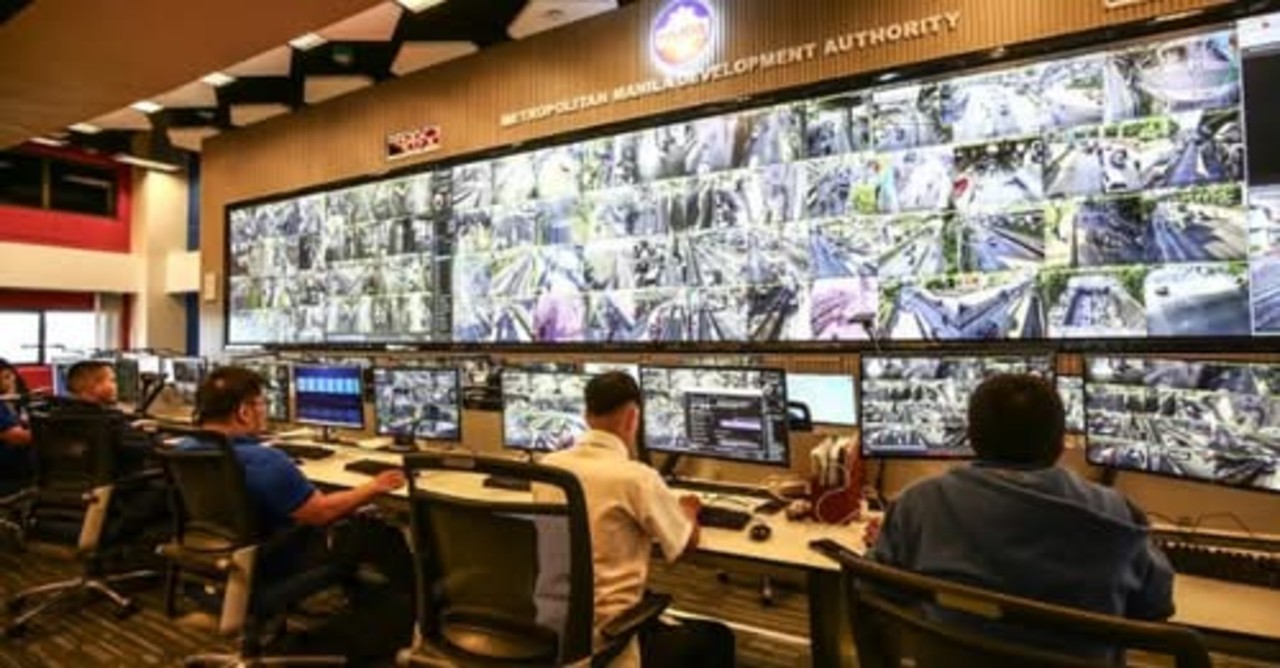
Instead of multiple agencies acting separately, the MMDA implemented a single dispatch system. That means all emergency vehicles—from national agencies to LGUs—were synchronized.
No overlap. No wasted trips. No confusion.
“Para orchestrated at naka-synchronize ang aming dispatch,” Torre said.
How to Avoid Getting Stranded
Let’s be real: strikes and disruptions won’t disappear anytime soon—especially with global fuel issues affecting local transport.
But here’s how you stay ahead:
- Save MMDA Hotline 136: For towing, accidents, or if you ever get stranded
- Check MMDA updates early: Don’t wait until you’re already stuck on the road
- Plan alternate routes: Especially during strike announcements or major protests