March 16, 2026 — The Metropolitan Manila Development Authority (MMDA) has revived its heat break policy, giving traffic enforcers and field workers scheduled 30-minute breaks, along with an extra 15 minutes during extreme heat (40°C+) to ensure that personnel stay safe and effective on the road even during intense summer conditions.
As Metro Manila heats up, this is a necessary, practical, and timely initiative that both protects frontline workers while keeping Metro Manila’s roads running. By preventing heat exhaustion among enforcers, the agency ensures continuous traffic management, road clearing, and smoother travel, especially during peak hours and number coding enforcement days. For motorists, it means one thing: Continuity—but do your part to keep traffic moving smoothly.
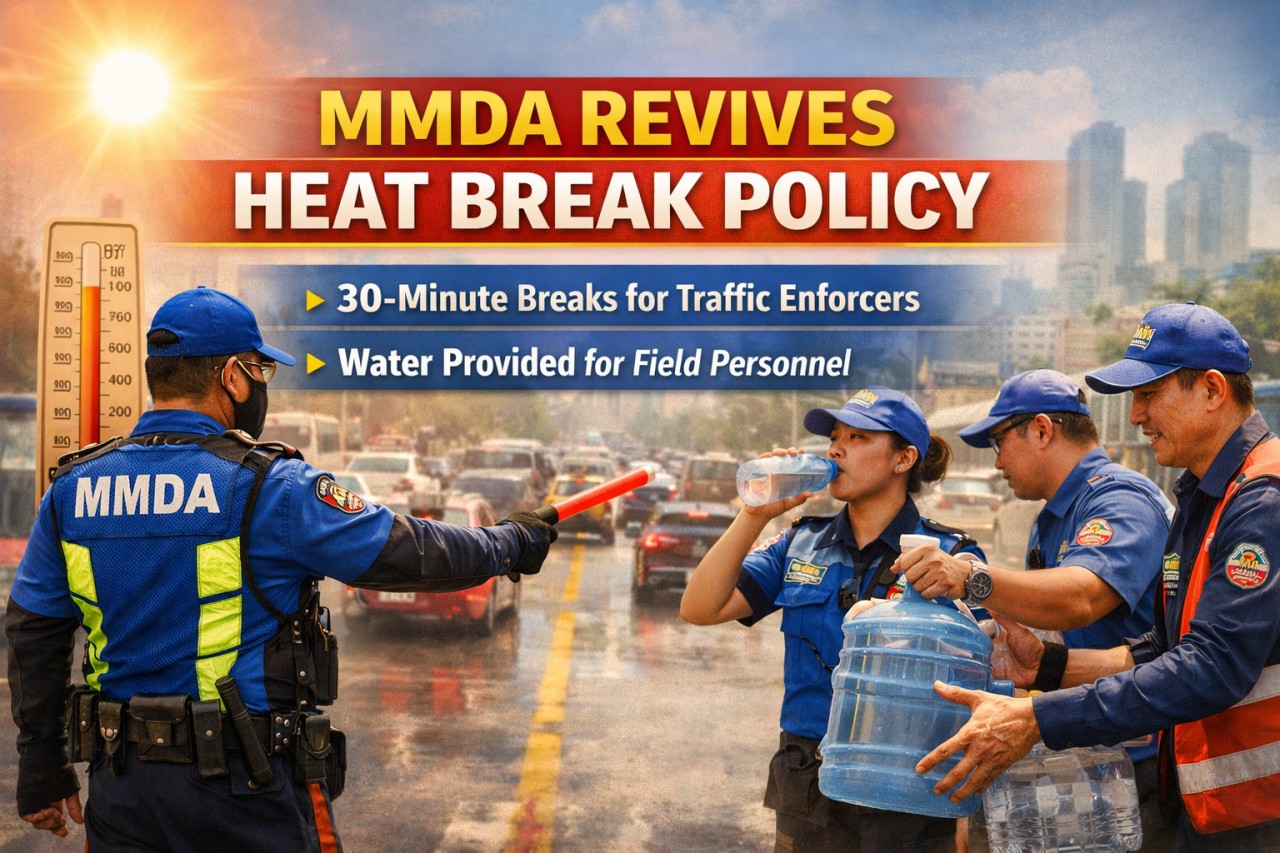
Understanding the MMDA’s Heat Break Policy
The MMDA’s heat break policy is a workplace safety measure that gives traffic enforcers and field personnel scheduled rest periods during extreme heat to prevent heatstroke and fatigue. Born from the MMDA Memorandum Circular No. 03, Series of 2026, and encouraged by general occupational safety standards that require government agencies to protect workers from environmental hazards, the policy has been seasonally implemented in previous years, especially during summer months. It is regularly revived when heat index levels rise in Metro Manila with the goal to protect the health of frontline workers while ensuring continuous traffic management and road operations for the public.
These mandatory rest breaks to avoid heat-related illnesses while performing their duties under the scorching sun.
What the Heat Break Policy Means
If you’re a driver navigating Metro Manila roads, here’s the reality: extreme heat affects not just you—but the people managing traffic too.
The MMDA’s updated policy ensures that:
- Traffic enforcers get 30-minute scheduled breaks per shift
- An additional 15-minute break is given when the heat index hits 40°C or higher
- Breaks are done alternately, so traffic flow is not disrupted
There may be slight rotations of enforcers, but traffic management will remain active and consistent.
This is a smart move. Without proper rest, enforcers risk heat exhaustion—which could lead to slower response times, traffic buildup, or even accidents.
The Water Distribution Solution
To support the policy, the MMDA partnered with:
- Maynilad Water Services Inc.
- Manila Water Company Inc.
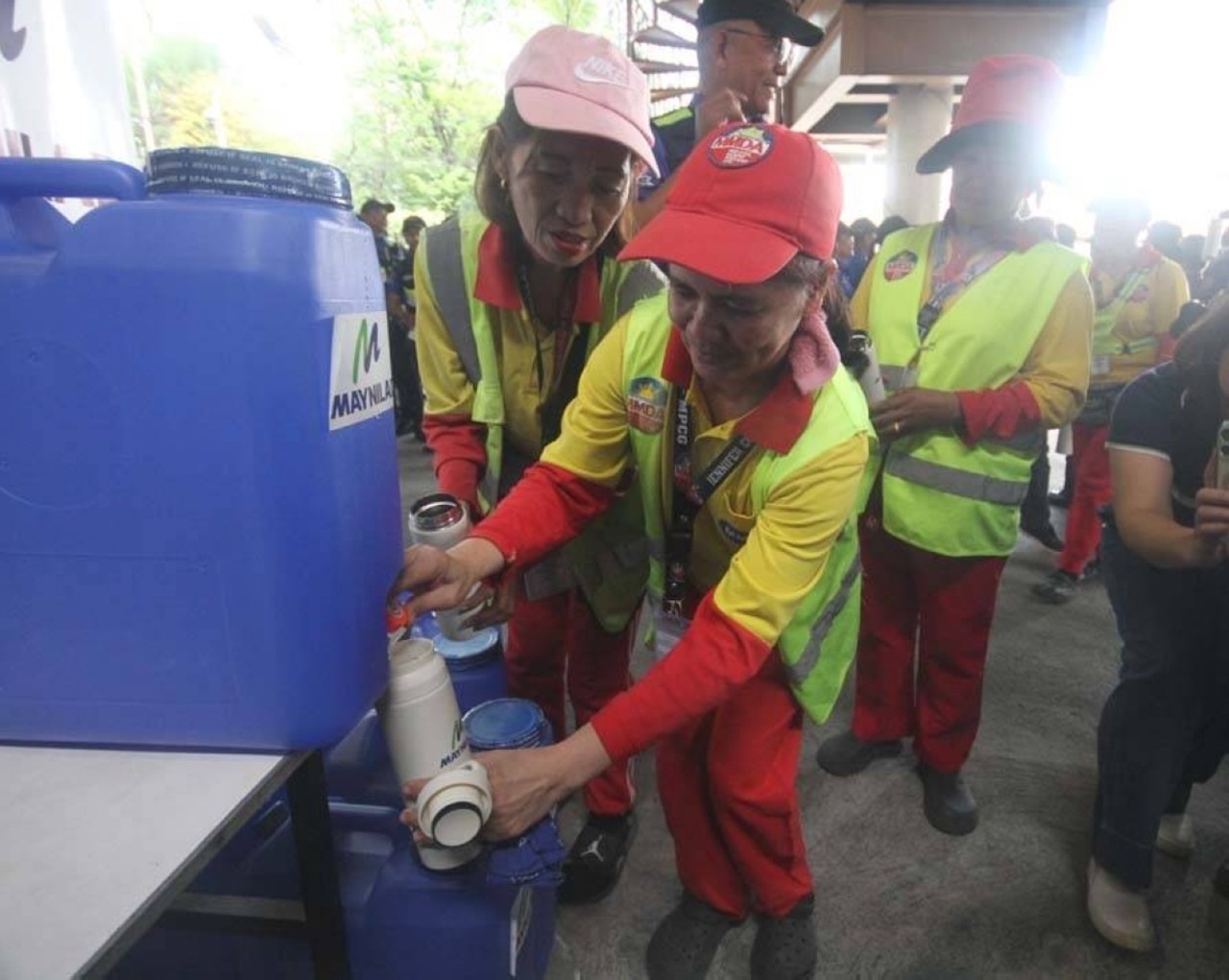
Together, they are distributing:
- Drinking water gallons
- Insulated reusable bottles
Around 4,000 field personnel across all MMDA bases will benefit from this initiative until May 31, 2026. This addresses a real problem: dehydration among frontline workers who spend hours exposed to heat and vehicle emissions daily.
Why this Policy Matters
Metro Manila is entering peak dry season, with weather agencies warning of rising heat index levels as the northeast monsoon fades.
According to MMDA Chairman Romando Artes, the policy is meant to protect those who keep the roads moving. Meanwhile, General Manager Nicolas Torre III also said that healthier personnel can perform better and serve motorists more efficiently.
How Does This Affect the Drivers
This policy affects drivers too. If you are one, then here’s how to adjust:
- Be patient during enforcer rotations, especially at busy intersections
- Follow number coding rules strictly to avoid unnecessary congestion
- Hydrate and prepare before driving—heat affects reaction time
- Plan trips earlier or later to avoid peak heat hours
If anything, this policy is a reminder: road safety is a shared responsibility—requiring a delicate balance between human welfare and operational efficiency. It’s not just about enforcing traffic rules; it’s about sustaining the people who enforce them—a move that matters in a country heavily reliant on manual traffic management.