The Municipality of Pateros is one of the few driver-friendly areas in Metro Manila where local number coding restrictions are not enforced. It has historically remained coding-free and the expanded Unified Vehicle Volume Reduction Program (UVVRP), more commonly known as the number coding scheme, has never been in effect here. This means motorists have always been allowed to drive freely on local roads and inner streets within Pateros from Monday to Friday, regardless of their vehicle’s plate number ending. In short, there’s no need to worry about coding hours, window hours, or municipal plate restrictions anywhere inside the Municipality of Pateros.
But before you celebrate too early, there are still a few important exceptions and neighboring city rules you need to understand.
Coding Rules in Pateros and Neighboring Cities
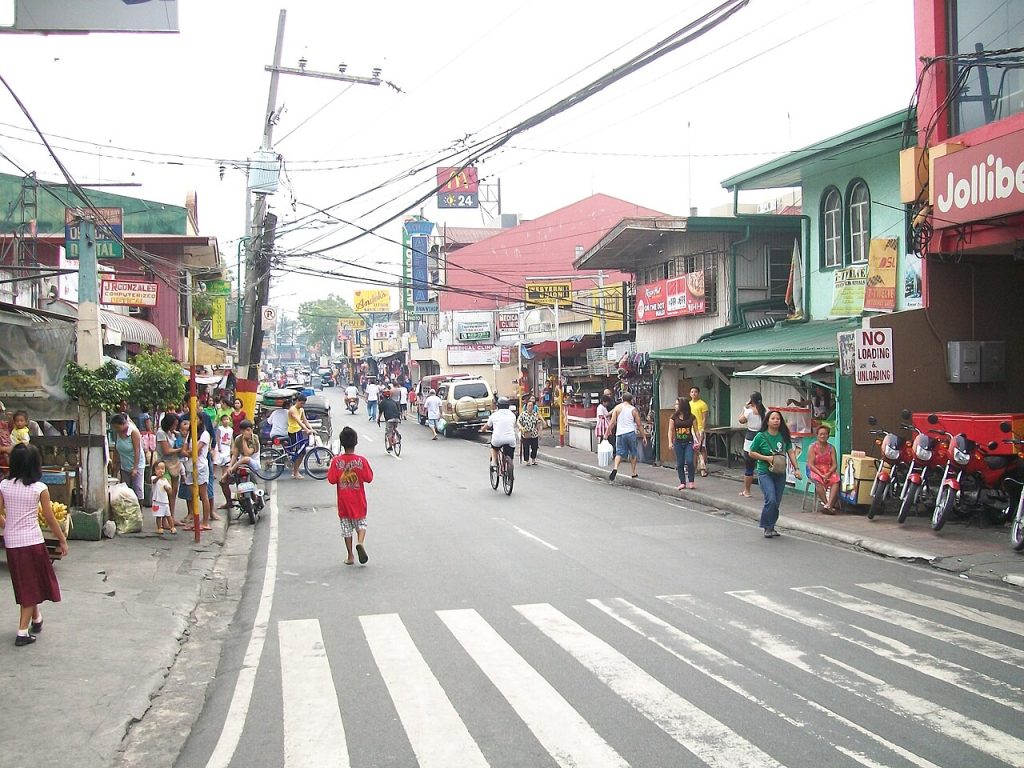
Pateros has always remained outside the stricter traffic reduction systems implemented by larger Metro Manila cities. One major reason is its size. Pateros is the smallest municipality in Metro Manila—both in land area and road network coverage. Compared to larger business districts and heavily congested urban centers, traffic volume inside the municipality is relatively lighter.
Though Pateros is coding-free, motorists may still get in trouble once they leave town. Drivers especially need to stay alert when traveling near major boundary roads and neighboring cities as they tend to be covered by coding rules enforced by the Metropolitan Manila Development Authority (MMDA).
Coded Roads Commonly Used Going to Pateros
The main roads leading to or commonly used when entering Pateros that are covered by Metro Manila number coding rules are mostly MMDA-controlled major roads. Once you enter these roads during coding hours, your vehicle may be apprehended if your plate number is restricted for the day.
- C-5 Road: the biggest and most important coded road connected to Pateros. MMDA coding rules apply here even if nearby local roads are coding-free.
- Ortigas Avenue: often used by drivers coming from Pasig or eastern Metro Manila before connecting toward C-5 and Pateros.
- EDSA: commonly used by motorists coming from Makati, Mandaluyong, or Quezon City before exiting toward Guadalupe or C-5 routes leading to Pateros.
- Shaw Boulevard: another common approach road connecting Mandaluyong and Pasig traffic toward Pateros routes.
- Kalayaan Avenue connections
You also need to be wary of coding restrictions in some of its neighboring cities:
- Taguig: It is mostly non-coding, but with important exceptions, such as:
- C-5 Road inside Taguig still follows MMDA coding
- Major MMDA-controlled roads remain covered
- Drivers can still be apprehended during coding hours
- Makati: Makati strictly enforces number coding rules on most city roads.
- If you travel from Pateros toward Makati through Guadalupe, Kalayaan Avenue, or other major routes, your vehicle may immediately become subject to UVVRP restrictions.
- Makati has no window hours
- Strict apprehension policies
Note: Drivers should be extra careful about entering Makati.
- Pasig: Pasig also actively implements number coding rules.
- Roads connecting Pateros to Pasig may transition quickly from coding-free to coding-enforced zones. Common affected routes include:
- Ortigas Avenue connections
- C-5 intersections
- Shaw Boulevard access roads
- Pasig generally follows standard MMDA coding schedules, including window hours
Why Does Pateros Stay Coding-Free?
There are several practical reasons why Pateros continues to remain a non-coding area.
- Smaller Road Network
Unlike major business cities with large highways and commercial districts, Pateros has a smaller and more community-based road system. Traffic congestion does happen, especially during rush hour, but it is generally more manageable compared to larger Metro Manila cities.
- Less Commercial Traffic
Pateros is primarily residential and community-centered. It does not experience the same volume of office traffic seen in cities like Makati or Ortigas. Fewer business districts mean fewer vehicles entering daily during peak hours.
- Strategic Location
Even though Pateros itself does not enforce coding, surrounding cities already implement strict traffic controls. Nearby cities help regulate regional traffic flow, reducing the need for Pateros to impose additional restrictions internally.
Tips for Drivers Traveling Through Pateros
Here are some practical reminders for motorists to avoid trouble with the authorities, especially when traversing Pateros to go to other cities:
- Know Your Route: Do not assume every road near Pateros is coding-free. Always check whether your navigation route passes through C-5 or neighboring coding areas.
- Watch Boundary Crossings: It is surprisingly easy to cross from Pateros into Makati, Pasig, or Taguig without noticing immediately. One missed sign could place you directly inside a coding-restricted zone.
- Use Window Hours Wisely: If your vehicle is coded for the day, schedule trips during window hours whenever possible.
- Monitor MMDA Advisories: Traffic rules can change depending on holidays, road works, or special traffic schemes. Always verify announcements from the Metropolitan Manila Development Authority.
Who to Contact for Complaints or Inquiries
For local traffic concerns inside Pateros, motorists may coordinate with the Municipality of Pateros through official municipal channels and public assistance offices.
- Main Hotline: (02) 8642-3390
- Trunkline: (02) 8424-8370 to 79
- Address: G. de Borja Street, Pateros, Metro Manila
- Office Hours:
- Monday to Friday
- 8:00 AM to 5:00 PM
For concerns involving C-5 Road, MMDA coding violations, or Metro Manila traffic regulations, drivers may contact the Metropolitan Manila Development Authority (MMDA) directly.
- Office Address: MMDA Building, EDSA cor. Orense St., Guadalupe, Makati City
- Tel. No.: 882-0854; 882-0893; 882-0871; 882-2646
- Phone Number: 8898-4200 Local 1901
- Official website: https://www.mmda.gov.ph