Valenzuela City follows the standard MMDA coding hours, officially the expanded Unified Vehicle Volume Reduction Program (UVVRP), which runs from Monday to Friday, 7:00 AM to 10:00 AM and 3:00 PM to 8:00 PM, with a window period from 10:01 AM to 2:59 PM where most vehicles can pass. However, MacArthur Highway is stricter—following the modified coding scheme restrictions which apply from 7:00 AM to 8:00 PM with no window hours. The city’s coding system follows the standard number coding schedule based on the plate’s last digit and is suspended on weekends and holidays.
The goal is simple: to reduce the number of cars on the road during rush hours so traffic flows faster. It also means that there would be shorter queues, more predictable travel times, and less waste of fuel while navigating through Valenzuela City roads. If you drive daily, making a habit of being compliant means staying ahead of traffic and avoiding unnecessary hassle.
Valenzuela City Coding Hours
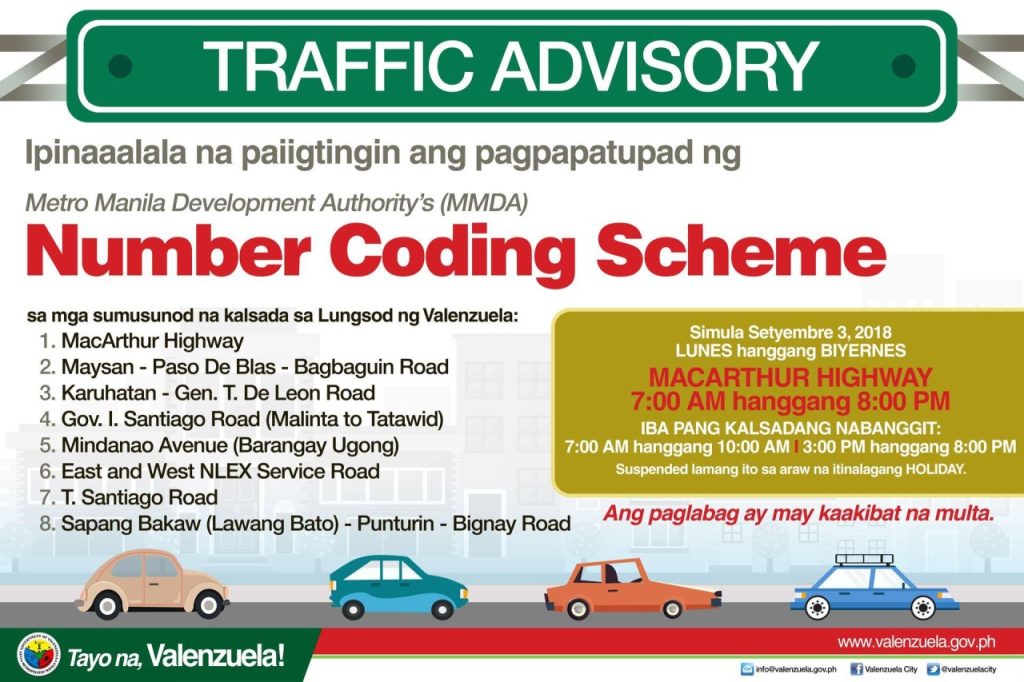
As mentioned on a Facebook post by Valenzuela City, the expanded number coding scheme in the city is as follows:
- Monday to Friday
- Morning: 7:00 AM – 10:00 AM
- Evening: 3:00 PM – 8:00 PM
- Window Hours: 10:01 AM – 2:59 PM
- Weekends & Holidays: No coding
Exception: On MacArthur Highway, coding is stricter:
- 7:00 AM – 8:00 PM (no window hours)
This difference catches a lot of drivers off guard. If your route includes MacArthur Highway, don’t rely on the window period—you could still get fined.
Coding Schedule by Plate Number
The system follows the standard daily rotation rules of the MMDA (Metro Manila Development Authority):
- Monday: 1 & 2
- Tuesday: 3 & 4
- Wednesday: 5 & 6
- Thursday: 7 & 8
- Friday: 9 & 0
That said, if your plate ends in the restricted number, you cannot use major roads during coding hours.
Roads Covered by Valenzuela Coding
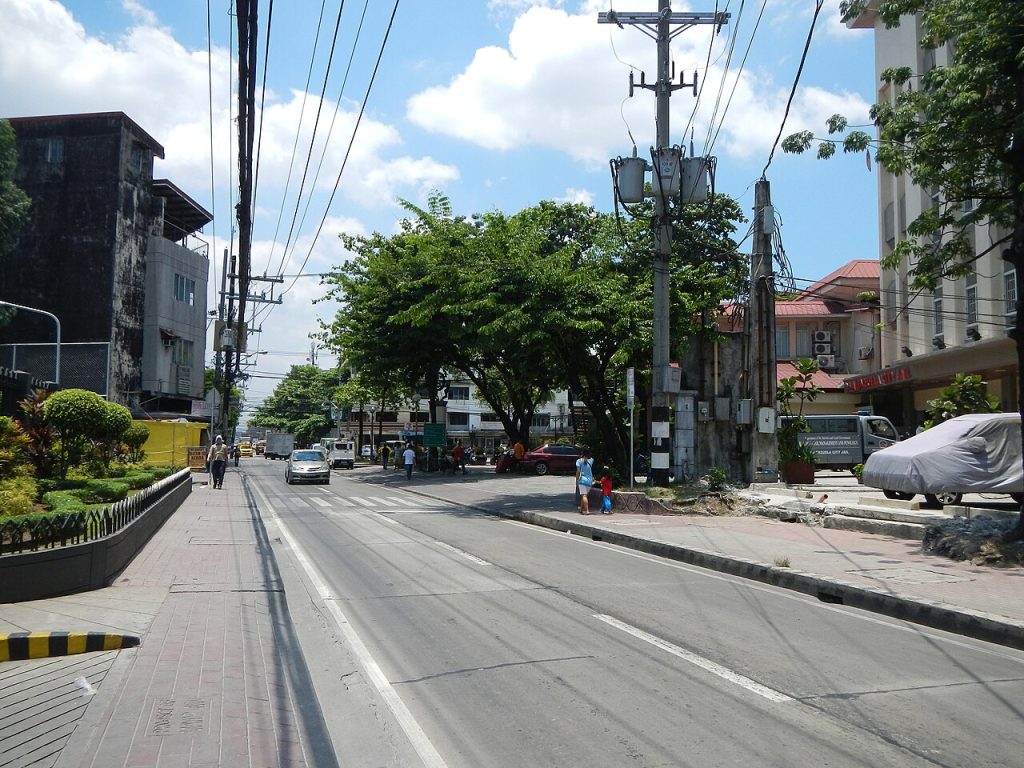
Coding is enforced on key roads where congestion is highest. They aren’t random—they’re the pressure points of the city’s traffic system.
1. MacArthur Highway
This is the main spine of northern Metro Manila. It connects Valenzuela to cities like Caloocan and beyond to Bulacan. It has extremely high vehicle volume (private cars, trucks, buses) and a single bottleneck here can create city-wide gridlock.
2. Maysan – Paso de Blas – Bagbaguin Road
This road links several busy residential and industrial barangays. It serves as a parallel alternative to MacArthur Highway and is heavily used by delivery trucks and workers.
3. Karuhatan – Gen. T. De Leon Road
A key east-west connector inside the city. It connects dense residential zones to commercial areas and are frequently used during rush hour as shortcuts.
4. Gov. I. Santiago Road (Malinta to Tatawid)
This is a vital connector between inner barangays and major highways and acts as a feeder road to MacArthur Highway, making it prone to heavy local traffic during school and work hours.
5. Mindanao Avenue (Barangay Ugong)
Part of a major arterial road extending across northern Metro Manila, this links Valenzuela to Quezon City and other business hubs. It is generally used by both private vehicles and cargo trucks as it supports long-distance and cross-city traffic.
6. East and West NLEX Service Roads
These run alongside the expressway and handle local traffic. Since it is also used as free alternatives to the North Luzon Expressway, this can have a high volume of trucks, logistics vehicles, and commuters when drivers avoid toll roads, hence, the coding restrictions.
7. T. Santiago Road
A busy connector within residential and commercial zones.
It supports local business traffic and is frequently used as a shortcut route. It is covered by coding restrictions as congestion here can quickly spread to nearby streets.
8. Sapang Bakaw – Punturin – Bignay Road
This long stretch connects northern barangays. It is a key route for growing residential communities and the coding restriction here means there won’t be much traffic buildup in outer areas of the city.
In short, these roads are covered because they carry the most traffic and influence the entire network.
What’s Not Covered
You’ll notice that barangay roads, subdivision streets, and small inner roads are generally exempt because coding there would disrupt local access, be hard to enforce, and have minimal impact on overall traffic flow
Coding Exemptions
Some vehicles are also exempt from coding, including:
- Motorcycles
- Electric vehicles
- Emergency and government vehicles
- Authorized transport (depending on current rules)
Note: Make sure to always double-check announcements because coding exemptions can change, especially during emergencies or policy updates.
Important Reminders (for Drivers)
If you are driving and you wish to save yourself the trouble and extra expenses, make sure that you:
- Don’t just memorize coding hours—know the roads
- If coding applies to you, avoid all listed roads, not just highways
- Use inner streets strategically, but don’t rely on them blindly
- Always plan around MacArthur Highway, since it has stricter enforcement